






Interest Rates & How They Work
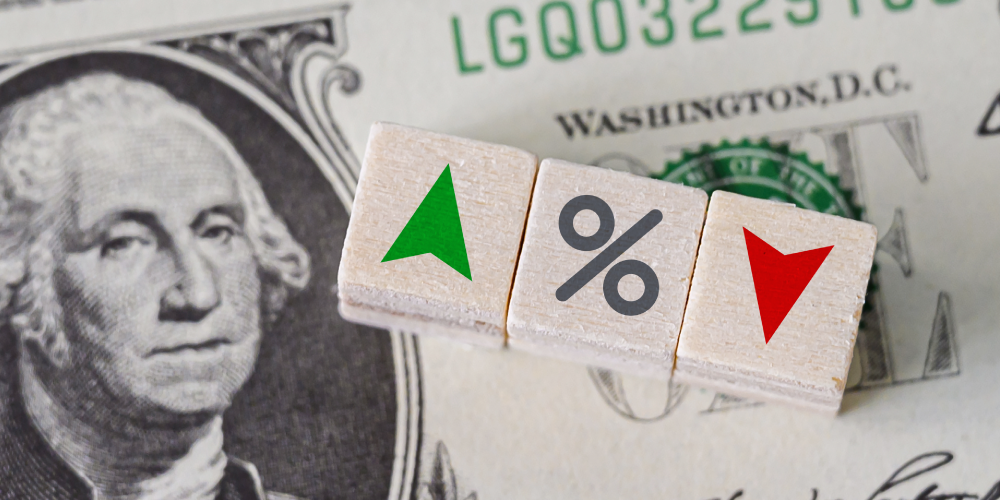
Interest rates play a major role in how much you earn on savings and how much you pay when borrowing. While rates may seem like just a percentage, the type of interest and how it’s applied can make a significant difference over time.
Understanding the basics of interest rates empowers you to make smarter financial decisions—whether you’re opening a savings account, applying for a loan, or comparing financial products. Let’s break down the most common interest rate terms and what they mean for you.
What Is an Interest Rate?
An interest rate is the cost of borrowing money or the reward for saving it. When you borrow, interest is what you pay the lender for using their money. When you save, interest is what your financial institution pays you for keeping your money on deposit.
Interest rates are typically expressed as an annual percentage rate (APR) for loans or an annual percentage yield (APY)for savings accounts.
Simple Interest: Straightforward and Predictable
Simple interest is calculated only on the original amount of money (the principal).
How It Works
If you borrow or save money with simple interest, the interest doesn’t build on itself—it stays consistent over time.
Example
You borrow $1,000 at a 5% simple interest rate for one year.
You’ll pay $50 in interest total.
Even if the loan lasts multiple years, interest is only calculated on the original $1,000—not on previously earned or paid interest.
Where You’ll See It
- Some auto loans
- Short-term loans
- Certain personal loans
Simple interest is easier to understand and often more predictable for budgeting.
Compound Interest: Interest on Interest
Compound interest is calculated on the principal plus any interest already earned or added.
How It Works
As interest accumulates, future interest is calculated on a growing balance. This can work for you when saving—or against you when borrowing.
Example (Savings)
You deposit $1,000 into a savings account earning 5% compound interest annually.
At the end of year one, you earn $50.
In year two, interest is calculated on $1,050—so you earn even more.
Example (Debt)
If unpaid interest is added to a loan balance, you may end up paying interest on interest, increasing the total cost.
Where You’ll See It
- Savings accounts
- Certificates (CDs)
- Credit cards
- Some loans
Compound interest rewards early saving but makes carrying debt more expensive over time.
Fixed Interest Rates: Stability and Consistency
A fixed interest rate stays the same for the life of the loan or account.
Why It Matters
Fixed rates offer predictability. Your monthly payment won’t change, making it easier to plan your budget.
Example
A fixed-rate auto loan at 6% APR will stay at 6% whether market rates rise or fall.
Best For
- Long-term loans
- Budget-conscious borrowers
- Anyone who prefers stability
Variable Interest Rates: Flexibility with Risk
A variable interest rate can change over time based on market conditions or a benchmark rate.
Why It Matters
Your payment could go down—or up—depending on economic factors.
Example
A variable-rate loan might start at 4%, but if rates increase, your interest rate and monthly payment may rise.
Best For
- Short-term borrowing
- Borrowers comfortable with some risk
- Situations where rates are expected to decline
What to Watch For When Comparing Interest Rates
Not all interest rates are created equal. Here are a few important factors to consider:
- APR reflects the total cost of borrowing, including fees
- APY shows how much you’ll earn on savings, including compounding
Want a deeper understanding of how APR and APY work? Read our full breakdown to learn what each means and when they matter most.
Compounding Frequency
Interest can compound daily, monthly, quarterly, or annually. More frequent compounding means more interest earned—or paid.
Introductory Rates
Some products advertise low starting rates that increase later. Always read the fine print.
Loan Term Length
A lower monthly payment over a longer term may cost more in total interest.
Making Interest Rates Work for You
Understanding how interest works helps you:
- Choose loans with lower overall costs
- Grow your savings more effectively
- Avoid unnecessary interest charges
- Feel more confident comparing financial products
Whether you’re borrowing or saving, the right interest structure can make a meaningful difference in your financial future.
Explore Your Options at First South Financial
At First South Financial Credit Union, we offer competitive rates and transparent terms designed to support your financial goals. From auto loans and personal loans to savings accounts and certificates, our team is here to help you find options that work for your budget and lifestyle.
Visit FirstSouth.com or stop by a branch to explore current rates and learn how we can help you make the most of your money.
« Return to "Blog" Go to main navigation

