






Digital Banking Terms You Should Know
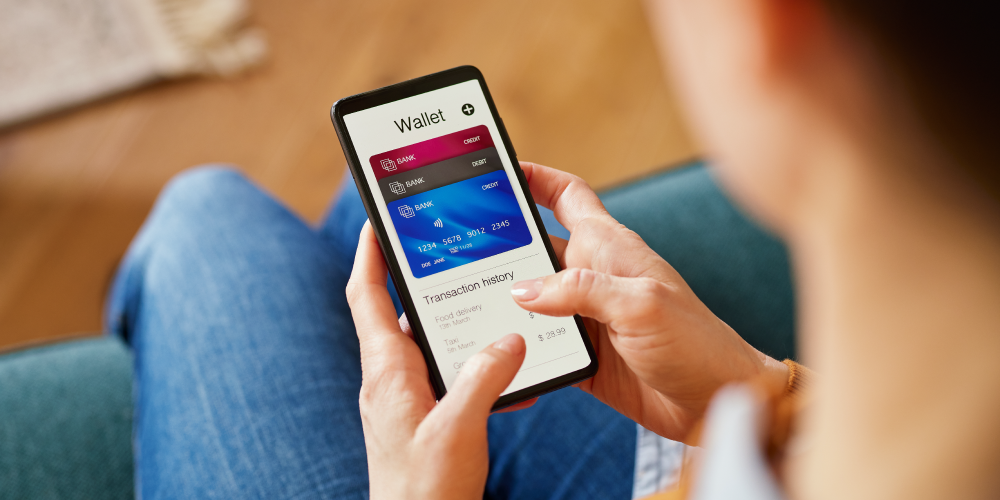
Digital banking has transformed the way we manage our money. From depositing checks with a smartphone to transferring funds in seconds, today's banking tools offer convenience and flexibility that previous generations could only imagine.
However, many digital banking features come with terminology that may not be familiar to everyone. Understanding these terms can help you confidently navigate your accounts, take advantage of available tools, and better protect your financial information.
In this article, we'll break down some of the most common digital banking terms and explain why they matter.
Online Banking
- Definition: Online banking allows you to access and manage your accounts through a web browser on a computer or mobile device.
- Considerations: Online banking provides convenient access to account balances, transaction history, bill payments, and fund transfers without visiting a branch. Be sure to use strong passwords and avoid accessing sensitive financial information on public Wi-Fi networks.
Mobile Banking
- Definition: Mobile banking is the ability to manage your accounts through a financial institution's mobile app.
- Considerations: Mobile banking offers many of the same features as online banking but with added convenience. You can check balances, transfer money, pay bills, and receive account alerts from almost anywhere. Make sure your device is protected with a passcode, fingerprint, or facial recognition.
Mobile Check Deposit
- Definition: Mobile check deposit allows you to deposit a paper check by taking pictures of it through your mobile banking app.
- Considerations: This feature can save time and eliminate trips to a branch or ATM. Follow endorsement instructions carefully and keep the physical check until the deposit has been fully processed.
Electronic Funds Transfer (EFT)
- Definition: An Electronic Funds Transfer (EFT) is any movement of money between accounts completed electronically rather than by paper check or cash.
- Considerations: EFTs are commonly used for direct deposits, bill payments, recurring payments, and account transfers. They provide a fast and secure way to move money, but it's important to monitor your accounts regularly for unauthorized transactions.
ACH Transfer
- Definition: ACH stands for Automated Clearing House, the network that processes many electronic payments and transfers.
- Considerations: ACH transfers are frequently used for payroll deposits, recurring bills, and transfers between financial institutions. While ACH transactions are generally reliable and cost-effective, they may take one to three business days to complete.
Direct Deposit
- Definition: Direct deposit is an electronic payment sent directly into your account, most commonly from an employer or government agency.
- Considerations: Direct deposit provides faster access to funds and eliminates the need to deposit paper checks. Many people also appreciate the added convenience and security compared to receiving physical checks.
Two-Factor Authentication (2FA)
- Definition: Two-factor authentication is a security feature that requires a second form of verification in addition to your password.
- Considerations: This extra layer of protection helps reduce the risk of unauthorized access. Even if someone obtains your password, they would still need access to your verification code or device to log in.
Account Alerts
- Definition: Account alerts are notifications that inform you about activity on your accounts.
- Considerations: Alerts can help you stay informed about low balances, large purchases, deposits, payment due dates, and potential security concerns. Setting up alerts is an easy way to monitor your finances and identify issues quickly.
Digital Wallet
- Definition: A digital wallet stores payment information electronically and allows you to make purchases using a smartphone, smartwatch, or other compatible device.
- Considerations: Digital wallets offer convenience and often include enhanced security features. Because your actual card information is not always shared with merchants, digital wallets can provide an added layer of protection during transactions.
Biometric Authentication
- Definition: Biometric authentication uses unique physical characteristics, such as a fingerprint or facial recognition, to verify your identity.
- Considerations: Many digital banking apps use biometric authentication to provide both convenience and security. While it can make logging in faster, it's still important to maintain strong device security practices.
The Bottom Line
Digital banking offers powerful tools that can help you manage your finances more efficiently. Understanding common terms like ACH transfers, mobile deposits, digital wallets, and two-factor authentication can help you make informed decisions and confidently use the technology available to you.
The more familiar you are with digital banking features, the better equipped you'll be to manage your accounts securely and conveniently.
« Return to "Blog"
 Share on Facebook: Digital Banking Terms You Should Know
  Share on Twitter: Digital Banking Terms You Should Know