






How to Pay Off Credit Card Debt
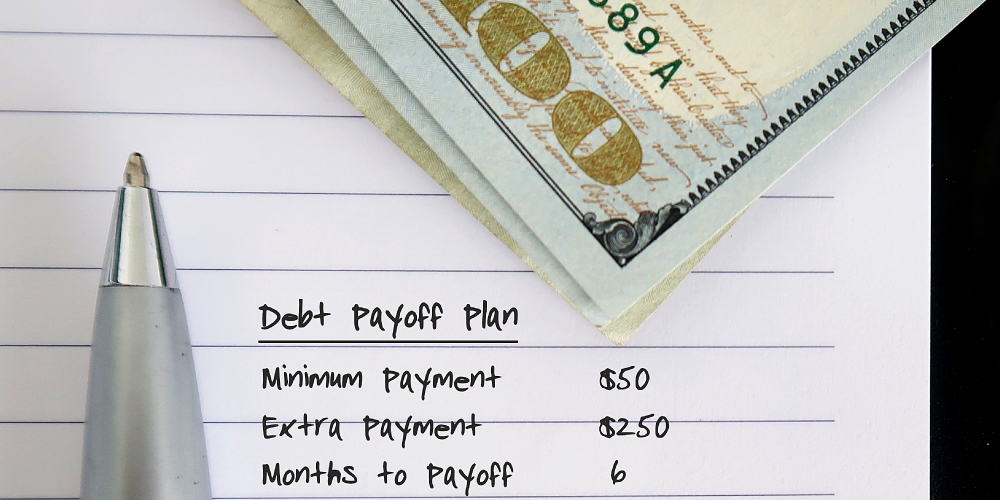
Credit cards can be useful financial tools, offering convenience, flexibility, and the ability to build credit when used responsibly. However, carrying a balance from month to month can become expensive, especially when interest charges begin to accumulate.
If you're dealing with credit card debt, paying it off may feel overwhelming. The good news is that with a clear plan and consistent effort, you can make meaningful progress toward becoming debt-free.
Here are practical strategies to help you pay off credit card debt and take control of your finances.
Know Exactly How Much You Owe
The first step is understanding the full picture. Make a list of each credit card and include:
- Current balance
- Interest rate (APR)
- Minimum monthly payment
- Payment due date
- Available credit
Seeing all of your balances in one place can help you understand how much debt you're managing and decide which cards to prioritize.
Stop Adding to Your Balance
Paying down credit card debt becomes much more difficult if you're continuing to make new purchases.
Consider temporarily reducing credit card use while you focus on repayment. That doesn't necessarily mean closing your accounts, but it may mean relying more heavily on your checking account or using cash for everyday expenses.
If you need to continue using a credit card for certain purchases, create a plan to pay those new charges in full each month.
The goal is to prevent your balances from growing while you're working to pay them down.
Create a Realistic Debt Payoff Budget
Look closely at your monthly income and expenses to determine how much extra money you can put toward debt. Start with essential expenses, including:
- Housing
- Utilities
- Groceries
- Transportation
- Insurance
- Minimum debt payments
Then review discretionary spending, such as:
- Dining out
- Entertainment
- Shopping
- Subscription services
- Convenience purchases
You don't have to eliminate everything you enjoy. However, temporarily reducing certain expenses can free up additional money for debt repayment.
Example: Cutting $50 per week in discretionary spending could free up approximately $200 per month to put toward your credit card balance.
Always Make at Least the Minimum Payment
Missing a payment can result in late fees, additional interest, and potential damage to your credit.
Make at least the minimum payment on every account by the due date.
If managing multiple due dates is difficult, consider setting up automatic payments for at least the minimum amount. You can then make additional payments manually toward the card you're prioritizing.
Choose a Debt Payoff Strategy
Once you're making the minimum payment on all your cards, choose how you'll apply any extra money.
Two popular approaches are the debt avalanche and the debt snowball method.
The Debt Avalanche Method
With the debt avalanche method, you focus extra payments on the card with the highest interest rate while continuing to make minimum payments on all other cards.
Once the highest-interest balance is paid off, you apply that payment toward the card with the next-highest interest rate.
Example:
Using the balances above:
- Card C: $800 at 29% APR
- Card A: $1,500 at 24% APR
- Card B: $3,000 at 19% APR
You would focus your extra money on Card C first because it has the highest interest rate.
Best for: People who want to potentially save the most money on interest.
The Debt Snowball Method
With the debt snowball method, you focus extra payments on the card with the smallest balance first, regardless of the interest rate.
Once that balance is paid off, you roll the amount you were paying into the next-smallest balance.
Example:
Using the same balances:
- Card C: $800
- Card A: $1,500
- Card B: $3,000
You would focus on paying off Card C first because it has the smallest balance.
Best for: People who are motivated by quick wins and seeing accounts disappear.
Pay More Than the Minimum Whenever Possible
Making only minimum payments can significantly extend the amount of time it takes to pay off credit card debt.
Whenever possible, pay more than the minimum.
Even an additional $25, $50, or $100 per month can help reduce your balance faster and lower the amount of interest you pay over time.
Consider putting extra money toward your debt when you receive:
- A work bonus
- Tax refund
- Overtime pay
- Side income
- Cash gifts
- Money from selling unused items
You don't necessarily have to put every extra dollar toward debt, but dedicating a portion can help accelerate your progress.
Consider a Balance Transfer Carefully
A balance transfer may allow you to move high-interest credit card debt to another card with a lower introductory interest rate.
This strategy can potentially save money on interest, but it's important to understand the terms. Before transferring a balance, consider:
- Balance transfer fees
- Introductory rate expiration
- Regular APR after the promotional period
- Whether you'll be able to pay off the balance before the promotional rate ends
A balance transfer can be helpful in the right situation, but it doesn't eliminate the debt—it simply changes where you owe it.
Explore Debt Consolidation Options
Depending on your financial situation, consolidating multiple high-interest balances into one loan or payment may be worth exploring.
A consolidation loan could potentially offer:
- A lower interest rate
- One monthly payment
- A fixed repayment schedule
However, qualification and rates vary based on your credit and financial situation.
Before consolidating, compare the total cost of the new loan—including interest and fees—with what you're currently paying.
Also, avoid using consolidation as a reason to immediately build new credit card balances.
Ask Your Credit Card Company About Options
If you're struggling to make payments, don't wait until you've missed several.
Contact your credit card issuer and explain your situation. Depending on the circumstances, they may offer options such as payment assistance or alternative repayment arrangements.
Acting early can give you more options and help prevent the situation from becoming more difficult.
Build a Small Emergency Cushion
It may seem counterintuitive to save money while paying down debt, but having a small emergency cushion can help prevent you from relying on credit cards when unexpected expenses arise.
For example, a $500 to $1,000 emergency fund could help cover a surprise car repair or other unexpected expense without adding to your credit card balance.
Once you have a small cushion in place, you can continue aggressively focusing on debt repayment.
Track Your Progress
Paying off debt can take time, so it's important to recognize your progress along the way.
Track:
- Your total remaining balance
- Number of accounts paid off
- Monthly payment amounts
- Reduction in interest charges
Consider checking your progress monthly rather than obsessing over your balance every day.
Seeing your debt decrease can provide motivation to continue.
Avoid Closing Accounts Too Quickly
After paying off a credit card, you may feel tempted to close it immediately. However, closing an account can affect your credit utilization and the overall age of your credit history.
Depending on the account, you may choose to keep it open with a zero balance and use it occasionally for a small purchase that you pay off in full.
Consider factors such as annual fees, your spending habits, and your ability to avoid rebuilding debt before deciding whether to close an account.
The Bottom Line
Paying off credit card debt takes time, but a clear strategy can make the process more manageable.
Start by understanding exactly what you owe, stop adding to your balances, create room in your budget, and choose a repayment strategy that works for you. Whether you prefer the debt avalanche method to reduce interest costs or the debt snowball method for quick motivation, consistency is key.
Every extra payment brings you closer to financial freedom. Focus on steady progress rather than perfection and remember that even small changes can make a meaningful difference over time.
« Return to "Blog"
 Share on Facebook: How to Pay Off Credit Card Debt
  Share on Twitter: How to Pay Off Credit Card Debt