






Building Your Emergency Fund: A Quick Guide
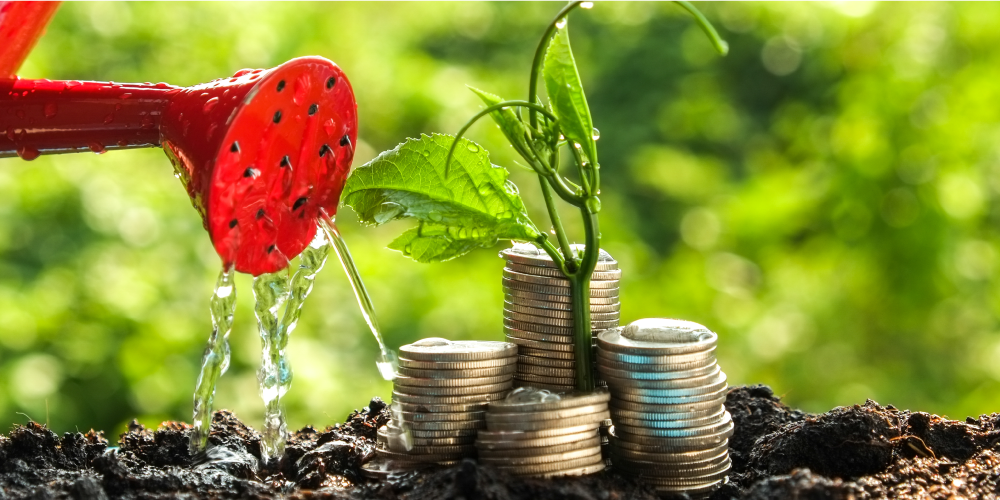
Life can be unpredictable. An unexpected car repair, medical expense, home repair, or job change can quickly strain your budget. That’s why having an emergency fund is an important part of building a strong financial foundation.
An emergency fund gives you money set aside specifically for unexpected expenses, helping you handle financial surprises without relying on credit cards, loans, or money earmarked for other goals.
What Is an Emergency Fund?
An emergency fund is a dedicated savings account designed to cover unexpected or unplanned expenses.
Unlike money you save for a vacation, new car, or other planned purchase, emergency savings should be reserved for situations you didn’t see coming.
Examples of emergencies may include:
- Unexpected car repairs
- Major home repairs
- Medical or dental expenses
- Temporary loss of income
- Emergency travel
- Unplanned essential expenses
The goal isn’t to predict every possible emergency. It’s to create a financial cushion that gives you more flexibility when something unexpected happens.
How Much Should You Save?
There isn’t one emergency fund amount that works for everyone. A good starting point is to consider your essential monthly expenses and how much income you would need to replace if you experienced a financial setback.
Many financial experts recommend eventually saving enough to cover several months of essential expenses. However, that doesn’t mean you need to reach that goal immediately.
If you’re starting from $0, focus on building your savings gradually. Even a small emergency fund can provide some protection against unexpected expenses.
For example, if your initial goal is $1,000 and you save $25 per week, you could reach your goal in about 40 weeks. Increasing your weekly savings to $50 would get you there in about 20 weeks.
The most important step is getting started.
Start With a Small, Achievable Goal
A large savings goal can feel overwhelming, especially if you’re balancing bills, debt, and other financial priorities.
Instead, break your goal into smaller milestones.
You might start with:
Goal 1: Save your first $500
Goal 2: Reach $1,000
Goal 3: Save one month of essential expenses
Goal 4: Continue building toward several months of expenses
Each milestone gives you a measurable goal while helping you build a saving habit.
Make Saving Automatic
One of the easiest ways to build an emergency fund is to make saving part of your routine.
Consider setting up an automatic transfer from your checking account to your savings account each payday. Even if you start with a small amount, automatic contributions can make saving more consistent because you don’t have to remember to transfer the money yourself.
For example, saving $50 from each biweekly paycheck would add up to $1,300 over a year, assuming 26 pay periods.
As your income changes, consider increasing your contribution.
Look for Opportunities to Save More
You don’t need to make major changes to increase your emergency savings.
Look for small opportunities to redirect money toward your goal. You could reduce unnecessary subscriptions, limit convenience purchases, cook at home more often, or put part of a tax refund, bonus, or other unexpected money into savings.
Even small amounts can add up over time.
For example, saving an additional $25 each week would give you $1,300 after one year. The key is finding an amount that fits comfortably within your budget and sticking with it.
Keep Your Emergency Fund Separate
Consider keeping your emergency savings in a separate savings account rather than your everyday checking account.
This can make it easier to see how much you've saved and reduce the temptation to spend the money on everyday purchases.
A savings account can also provide convenient access when you actually need the funds while helping keep your emergency money separate from your regular spending.
Know When to Use Your Emergency Fund
Your emergency fund is there for a reason, but it’s important to distinguish between an emergency and a planned expense.
A broken water heater, unexpected medical bill, or sudden loss of income may be a good reason to use emergency savings.
A vacation, new television, or other planned purchase generally isn't an emergency.
Before withdrawing money, ask yourself:
Is this expense unexpected, necessary, and difficult to cover with my regular budget?
If the answer is yes, your emergency fund may be exactly what it's there for.
Rebuild Your Savings After Using It
Using your emergency fund doesn’t mean you failed. That’s what the money is there for.
If you need to use some or all of your savings, make rebuilding the fund your next financial priority once the emergency has passed.
For example, if you had $2,000 saved and used $800 for an unexpected car repair, you could temporarily increase your savings contributions until you return to your original balance.
Think of your emergency fund as a financial safety net. When you use it, the goal is to strengthen that net again.
Review Your Emergency Fund Regularly
Your financial needs can change over time. A new job, higher rent or mortgage payment, growing family, new debt, or other major life change may mean you need a larger emergency fund.
Review your savings goal at least once a year and whenever your financial situation changes significantly.
Also consider where your emergency savings are held. Look for an account that provides convenient access while allowing your money to earn dividends or interest, depending on the account terms.
Learn More About Building an Emergency Fund
Want to take a deeper dive into emergency savings? Watch our Friends & Finances Podcast episode on Building an Emergency Fund for additional guidance on creating a savings plan, preparing for unexpected expenses, and building greater financial confidence.
Start Building Your Emergency Fund Today
Building an emergency fund doesn't happen overnight. What matters is creating a realistic goal, making consistent contributions, and gradually increasing your savings over time.
Whether you're working toward your first $500 or several months of essential expenses, every dollar you set aside can give you greater financial flexibility when life doesn't go according to plan.
The best time to start building your emergency fund is before you need it. Start small, stay consistent, and give yourself a financial cushion for whatever comes next.
« Return to "Blog"
 Share on Facebook: Building Your Emergency Fund: A Quick Guide
  Share on Twitter: Building Your Emergency Fund: A Quick Guide