






Why Fall Can Be the Smartest Season to Buy a Home
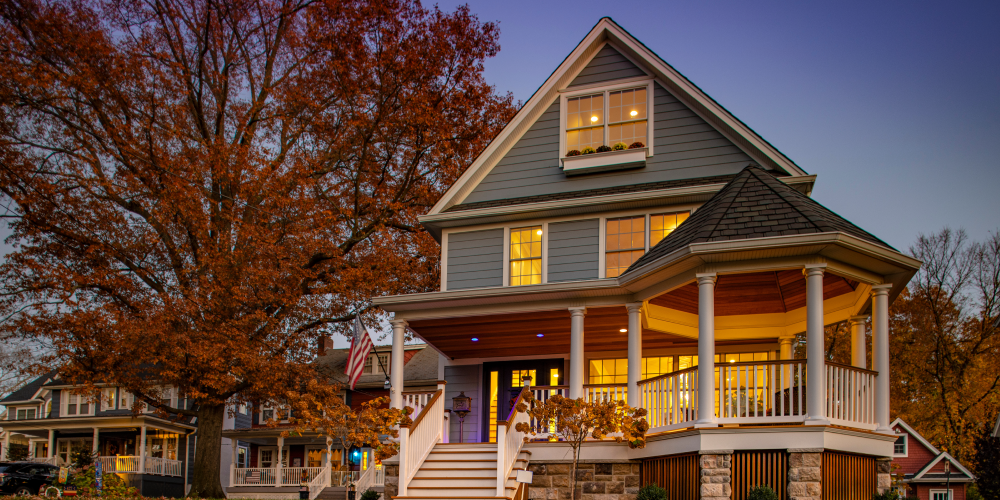
Spring and summer often get the most attention from homebuyers, but there can be advantages to shopping for a home in the fall. As the busy summer buying season winds down, the market can begin to change, potentially creating opportunities for buyers who are prepared to act.
From less competition to motivated sellers, fall may offer benefits that aren't always as noticeable during the busier months. However, buying a home is a major financial decision, so it's important to consider the market alongside your own budget, goals, and financial situation.
Here are a few reasons fall may be a smart time to begin your home search.
There May Be Less Competition
Spring and summer are traditionally popular times to buy a home. Families may want to move before a new school year, while warmer weather can make house hunting and moving more convenient.
By fall, some buyers have already purchased homes, which can mean fewer people competing for the same properties.
Less competition may give you more time to evaluate a home without feeling pressured to make an immediate decision.
For example: During a busy spring market, you might find yourself competing with multiple offers on a home you like. In the fall, there may be fewer competing buyers, potentially giving you more room to negotiate or carefully consider your options.
Less competition isn't guaranteed, but it's one potential advantage of shopping later in the year.
Sellers May Be More Motivated
Some homeowners who listed their properties earlier in the year may still be looking for a buyer when fall arrives.
A seller who has been on the market for several months may be more willing to negotiate on price, closing costs, repairs, or other terms.
This doesn't mean every seller will accept a lower offer. However, understanding why a home is being sold and how long it has been on the market can give you useful information when negotiating.
You May Have More Negotiating Power
When there are fewer buyers competing for properties, buyers may have more opportunities to negotiate. Depending on the property and local market, you may be able to negotiate on:
- Purchase price
- Closing costs
- Repairs or improvements
- Appliances or other items included with the home
- Closing timeline
Your negotiating position will depend on the specific home and market conditions, but fall can sometimes create more opportunities for thoughtful negotiations.
You Can See How a Home Handles Changing Weather
One unique advantage of buying in the fall is being able to see how a home performs as the seasons change. Pay attention to things such as:
- Heating systems
- Windows and insulation
- Drafts or moisture
- Roof condition
- Gutters and drainage
- Yard and landscaping
- Signs of water damage
While a home inspection is essential, seeing the property during cooler or wetter weather can provide additional information about the home.
For example: A home may look perfect during a warm summer showing, but a fall visit could reveal drafty windows, poor drainage, or leaves accumulating in gutters.
You May Have a Better Idea of Your Annual Housing Costs
Buying a home involves more than the mortgage payment. Property taxes, homeowners insurance, utilities, maintenance, and repairs all contribute to the true cost of homeownership.
As you're evaluating homes, consider how those expenses fit into your overall budget.
A home with a lower purchase price isn't necessarily the more affordable option if it has significantly higher insurance costs, property taxes, utility bills, or maintenance needs.
There May Be Opportunities to Find Homes That Didn't Sell During Summer
Not every home listed during spring or summer sells quickly.
Some properties may remain on the market into fall because of pricing, location, condition, or other factors.
These homes can be worth a closer look, particularly if the seller has already made adjustments to the price.
However, don't assume that a longer time on the market automatically means a bargain. Investigate why the home hasn't sold and make sure the property still fits your needs and budget.
Interest Rates Still Matter
The season you buy isn't the only factor that affects the cost of homeownership. Mortgage interest rates can have a significant impact on your monthly payment and the total amount you'll pay over the life of the loan.
Because rates can change over time, it's important to consider your overall financial situation rather than trying to perfectly time the market.
A home that fits comfortably within your budget at today's rates may be a better decision than waiting indefinitely for a potentially lower rate that may or may not materialize.
Get Your Finances Ready Before You Shop
One of the best ways to take advantage of potential fall opportunities is to prepare before you start touring homes. Review your:
- Credit score and credit report
- Monthly income and expenses
- Existing debt
- Savings
- Down payment funds
- Emergency fund
Understanding your financial position can help you determine how much home you can realistically afford.
Getting pre-approved for a mortgage can also help you understand your potential borrowing range and demonstrate to sellers that you're a serious buyer.
Don't Forget About Your Down Payment and Closing Costs
Your down payment is only one of the upfront costs associated with buying a home. You may also need to budget for:
- Closing costs
- Home inspection
- Appraisal
- Moving expenses
- Initial repairs or improvements
- Homeowners insurance
- Property taxes
Planning for these expenses ahead of time can help prevent your savings from being depleted immediately after closing.
It's important to leave room in your budget for unexpected expenses after you move in.
Know What You Can Comfortably Afford
Just because you qualify for a certain mortgage amount doesn't mean you need to spend that much.
When determining your homebuying budget, consider what monthly payment you can comfortably manage while continuing to save and cover your other financial responsibilities.
For example, if a lender determines you could qualify for a $350,000 mortgage, you may decide that a $300,000 home makes more sense for your overall financial goals.
A comfortable payment can give you more flexibility for emergencies, repairs, retirement savings, vacations, and other priorities.
Don't Let the Season Rush Your Decision
Fall may offer advantages, but that doesn't mean you should rush into a purchase simply because the market changes.
A home is a long-term commitment. Make sure you have time to:
- Research the neighborhood.
- Compare properties.
- Review the home's condition.
- Get a professional inspection.
- Understand the financing terms.
- Calculate your total monthly housing costs.
- Consider your long-term plans.
The goal isn't simply to find a home before winter. It's to find a home that fits your needs and financial situation.
The Bottom Line
Fall can be an appealing time to buy a home. With potentially less competition, motivated sellers, and opportunities to negotiate, buyers who are financially prepared may find advantages that aren't as common during the busier spring and summer markets.
However, there's no universally perfect season to buy a home. Your financial readiness, the local housing market, mortgage rates, and the homes available in your price range should all factor into your decision.
If you're considering buying this fall, start by understanding what you can comfortably afford, getting your finances in order, and exploring your financing options. Being prepared can help you take advantage of the right opportunity when it comes along.
« Return to "Blog"
 Share on Facebook: Why Fall Can Be the Smartest Season to Buy a Home
  Share on Twitter: Why Fall Can Be the Smartest Season to Buy a Home