





Financial Scams to Watch Out for This Holiday Season
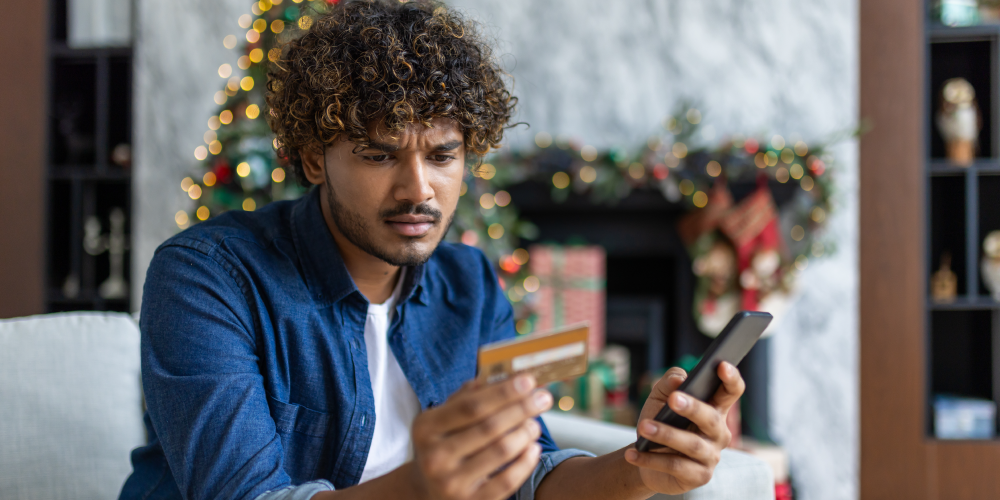
The holiday season is a time for giving, traveling, shopping, and spending time with family and friends. Unfortunately, it’s also a time when scammers look for opportunities to take advantage of busy shoppers and generous consumers.
From fake shipping notifications to fraudulent online stores, holiday scams can take many forms. Scammers may use emails, texts, phone calls, social media, and websites to make their messages appear legitimate.
Knowing what to watch for can help you protect your money and personal information throughout the holiday season.
Fake Shipping and Delivery Notifications
With more people shopping online during the holidays, shipping scams can be especially convincing.
You may receive a text or email claiming that a package could not be delivered, your address needs to be updated, or an additional payment is required. The message may include a link that takes you to a fake website designed to collect your personal or payment information.
Before clicking a link, consider whether you're actually expecting a package. Instead of using the link in the message, visit the retailer or shipping company's official website or app to check your order directly.
Fake Online Stores and Deals
Scammers may create websites that look like legitimate retailers and advertise products at unusually low prices. You might place an order and never receive the item, receive something different from what you ordered, or unknowingly provide your payment information to a scammer.
Be cautious when you encounter a retailer you've never used, especially if the price seems too good to be true.
Before making a purchase, look for reviews, verify the website address, and research the company. Avoid making purchases through unfamiliar websites or social media advertisements without first confirming that the seller is legitimate.
Gift Card Scams
Gift cards are popular holiday gifts, which also makes them attractive to scammers.
A scammer may impersonate a family member, employer, government agency, or business and ask you to purchase gift cards and provide the card numbers or PINs. Once the information is shared, the funds can quickly be used.
Be especially cautious if someone creates a sense of urgency and tells you to purchase gift cards immediately.
Legitimate organizations generally won't ask you to pay a bill, fine, or fee using gift cards.
Charity Scams
The holidays often inspire people to donate to charitable organizations. Unfortunately, scammers may take advantage ofthat generosity by creating fake charities or impersonating legitimate organizations.
Before donating, research the organization independently. Instead of clicking a donation link sent through an unexpected email or social media message, visit the charity's official website directly.
Be cautious if someone pressures you to donate immediately or insists on an unusual payment method.
Package and Delivery Impersonation Scams
Scammers may also impersonate delivery companies by calling or texting about a missed delivery, an address problem, or an unpaid delivery fee.
These messages may ask you to provide personal information or make a small payment to reschedule delivery.
Don't assume a message is legitimate simply because it references a company you recognize. Verify the information through the company's official website or app before taking action.
Travel Scams
Holiday travel creates additional opportunities for scammers.
You may encounter fake travel websites, fraudulent vacation rentals, or messages claiming you've won a trip.
Scammers may request deposits, personal information, or payment before providing additional details.
When booking travel, use reputable websites and verify the company before sending money. Be especially cautious of deals that require immediate payment or seem significantly cheaper than comparable options.
Family Emergency and Imposter Scams
Scammers may also take advantage of the holiday season by pretending to be a family member who needs money urgently.
A scammer might claim that a relative is traveling, has lost their wallet, or needs immediate financial help. They may ask you to send money through a payment app, wire transfer, gift cards, or another difficult-to-reverse method.
If you receive an unexpected request for money, take a moment to verify it. Contact the family member directly using a phone number you already have rather than replying to the message you received.
Social Media Shopping Scams
Social media can make holiday shopping convenient, but it can also expose consumers to fraudulent sellers and advertisements.
Scammers may advertise popular products at significant discounts or create fake accounts that imitate legitimate businesses. Clicking an advertisement or purchasing through an unfamiliar seller could expose your payment information or result in a product that never arrives.
Before purchasing, research the seller and consider navigating directly to the retailer's official website rather than purchasing through an unfamiliar link.
Watch for These Warning Signs
While holiday scams can look different from one another, many share similar warning signs.
Be cautious when a message or offer:
- Creates a strong sense of urgency.
- Requests personal or financial information.
- Asks for payment through gift cards, wire transfers, or cryptocurrency.
- Comes from an unfamiliar sender or phone number.
- Contains suspicious links or unexpected attachments.
- Offers a deal that seems too good to be true.
- Pressures you to act before you have time to verify the information.
Protect Yourself This Holiday Season
A few simple habits can help reduce your risk of becoming a victim.
- Slow down. Scammers often rely on urgency to prevent you from thinking through a request.
- Verify before you click. Instead of using links in unexpected emails or texts, visit the company's official website or app directly.
- Protect your information. Never provide passwords, account numbers, PINs, or other sensitive information in response to an unexpected request.
- Use strong, unique passwords. Consider using a password manager to help create and securely store unique passwords.
- Enable multi-factor authentication. Adding another layer of verification can help protect your accounts even if someone obtains your password.
- Monitor your accounts. Regularly review your financial accounts and credit card activity for transactions you don't recognize.
If You Think You've Been Scammed
If you believe you've provided information to a scammer or made a fraudulent payment, act quickly.
Contact your financial institution as soon as possible and explain what happened. Depending on the situation, you may need to change passwords, freeze or replace cards, or take additional steps to protect your accounts.
You should also report suspected fraud to the appropriate authorities and keep records of messages, transactions, and other information related to the scam.
Enjoy the Holidays and Stay Alert
The holidays should be about spending time with the people you care about, not worrying about scammers. Taking a few extra moments to verify messages, websites, payment requests, and unexpected offers can help protect your money and personal information.
When in doubt, slow down and verify before you act. A few extra seconds could help prevent a costly mistake and keep your holiday season focused on what matters most.
« Return to "Blog"
 Share on Facebook: Financial Scams to Watch Out for This Holiday Season
  Share on Twitter: Financial Scams to Watch Out for This Holiday Season